
The Softest Hands in Edgecombe County
How I render bear fat and what I do with it

“What the hell are you cooking in here?” my son asked before he’d even shut the door.
The first time I rendered bear fat, I didn’t know it made the house reek. I was suffering from some heinous sinus infection, and my sense of smell was blissfully ignorant.
I know it now. The process is pungent for sure, but I don’t think it’s unpleasant. And it dissipates fast. It isn’t the kind of thing that clings to the curtains and the furniture for weeks on end after you’ve tightened the jar lids.
The thing was, I had half a freezer full of the stuff.
So I Took It Home
The first time I saw a bear butchered, I had no idea I was witnessing something I’d become mildly obsessed with.
It was the night before I killed my first, and I was standing on the sidelines gawking at a couple of hunting buddies breaking down a relatively small bruin. They peeled away great big blobs of blubber and tossed them aside into a waiting bucket. They wobbled with a wet thud every time a slab hit the pile. Somebody set aside a small bag for somebody’s wife, said she liked to make something akin to pork rinds out of the fat.
The rest went out with the trash.
The meat was heading for the grinder, but the thought of all that fat being thrown away made my stomach drop. It just felt all wrong.
Like I’d just watched somebody rob a bank or, worse, kick a puppy.
I killed my black bear the following morning. He weighed in at just barely under 300 pounds, a relative baby by Eastern NC standards.
I saved every scrap I could. I hadn’t gone through all that trouble to kill an animal only to have a good portion of it treated like garbage.
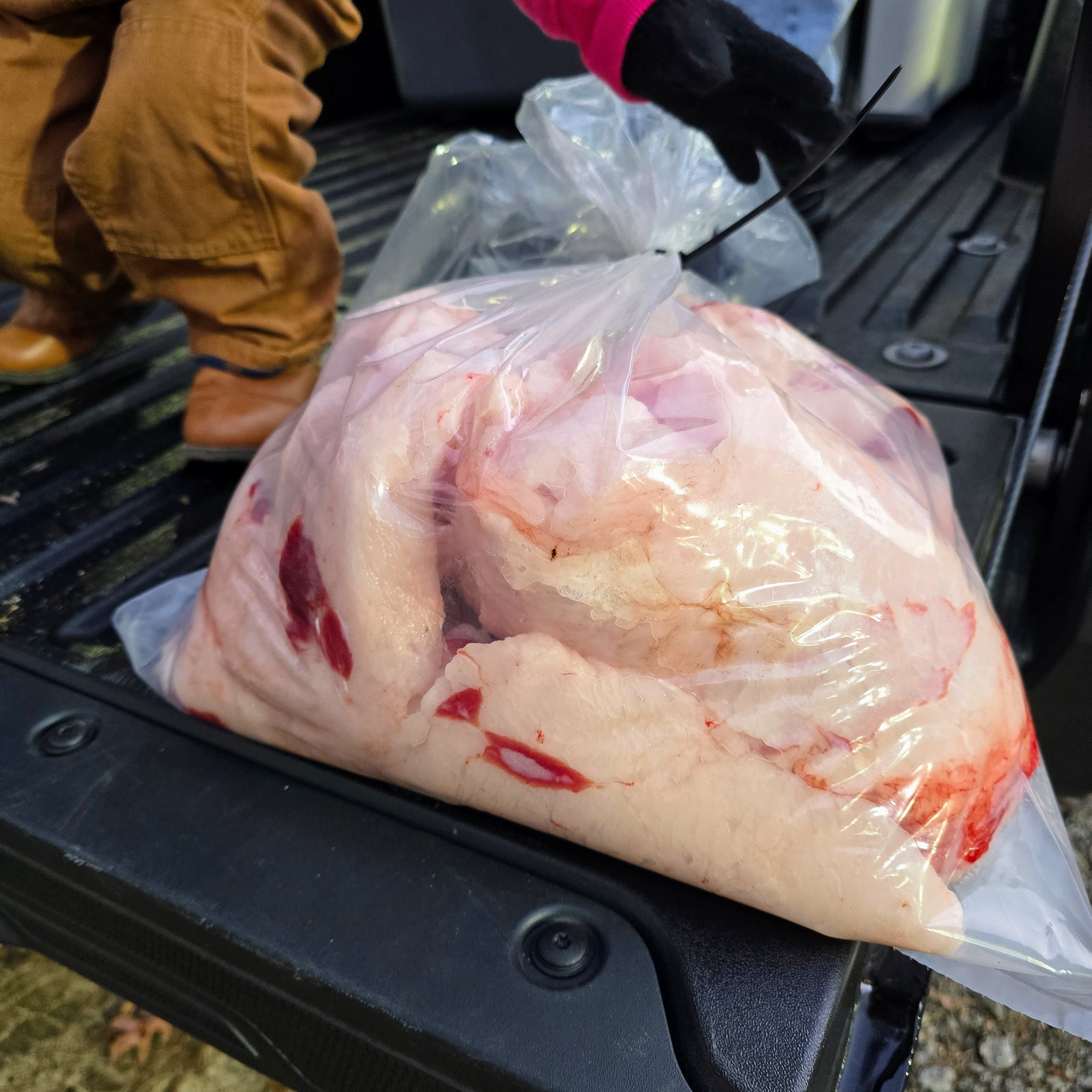
By the time we were done breaking down my bear, I had a couple of five-gallon buckets full of fat. It jiggled like cloudy, white Jell-O when I heaved it into the bed of my truck. I hauled it home, vacuum-sealed it in two-pound packages, and stacked it in the freezer. I had 14 bags total.
I had no idea what I was going to do with it yet. I just knew I didn’t want it to go to waste.
Then I Put It in the Crockpot
Turns out, rendering bear fat isn’t all that complicated. It just takes a crockpot, some patience, and a couple of days where you aren’t expecting guests.
I start by pulling a package from the freezer and letting it thaw a bit in the fridge. Once it’s mostly thawed, I cut it into one-inch pieces. I like to cut it when it’s still partially frozen because handling bear fat at room temperature is super greasy. It’s also not exactly a solid, but it’s definitely not a liquid. And the bears around here eat a lot of soybeans and peanuts, so their fat doesn’t always slice up all neat and pretty. It’s better to do the cutting when it’s almost frozen and slightly more firm.
Then I pop it all into my crockpot, set it to low, and wait. I stir it every couple of hours, and chop up any big pieces of fat as they start to brown. It takes about 24 hours for two pounds of fat to render down to beautiful bear grease. I call it done when about 90 percent of the fat is liquid, and the remaining solids have browned.
I let the rendered fat cool a bit and then strain it through unbleached coffee filters. (I set the cracklins aside for Penny Dog or a treat for the chickens. Sometimes it ends up toasted and sprinkled on cornbread, but we’re more of a biscuit household, so that’s a rare treat.)
Straining takes some patience, too. Bear grease doesn’t run through a coffee filter like water. It tends to come through in drips. Still, this part of the process is worth it to keep the burnt bits out of your oil.
At the end, I get about a pint of grease for every pound of fat I pull from the freezer.
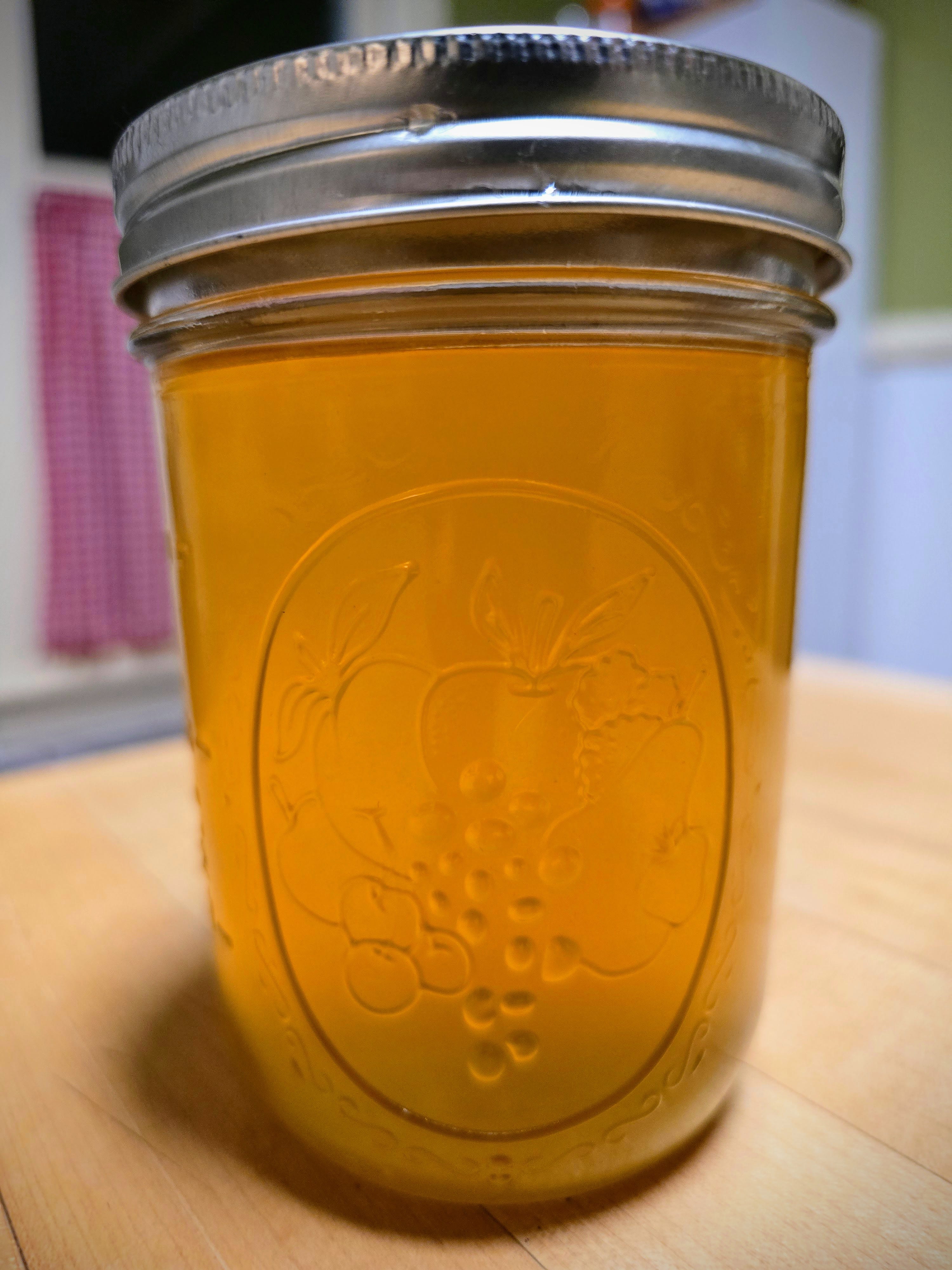
Around here, I’m calling it bear grease. (I’m putting this in for you, John Gonter.) I just don’t feel right calling it lard because, technically, lard comes from pigs. Besides, mine is this beautiful golden liquid at room temperature. Calling it lard feels like an insult. This is too much like art.
I keep mine in a Ball jar on the counter because I use it on the daily. It’s sat there for a few weeks without developing any off smell or flavor, but that’s my experience, not a food-safety recommendation. If you’re uncomfortable with that, stick it in the fridge.
Then I Started Cooking Everything With It
Of course, rendering a freezer full of bear fat would be a pretty dumb exercise if I didn’t have any idea what to do with the stuff. Thankfully, I have lots of ideas. And they keep multiplying.
I started simple, with some basic fried potatoes. Bear fat potatoes are now one of my all-time favorite breakfast foods.
I also regularly use it for popcorn. Not the microwave crap. This is the old-fashioned stovetop variety. Top it with some sea salt and some Old Bay seasoning, and it’s slap-your-mama good.
I have so much bear grease that I’m not afraid to experiment. It makes a darn good base for a roux, whether I’m making gumbo or gravy.
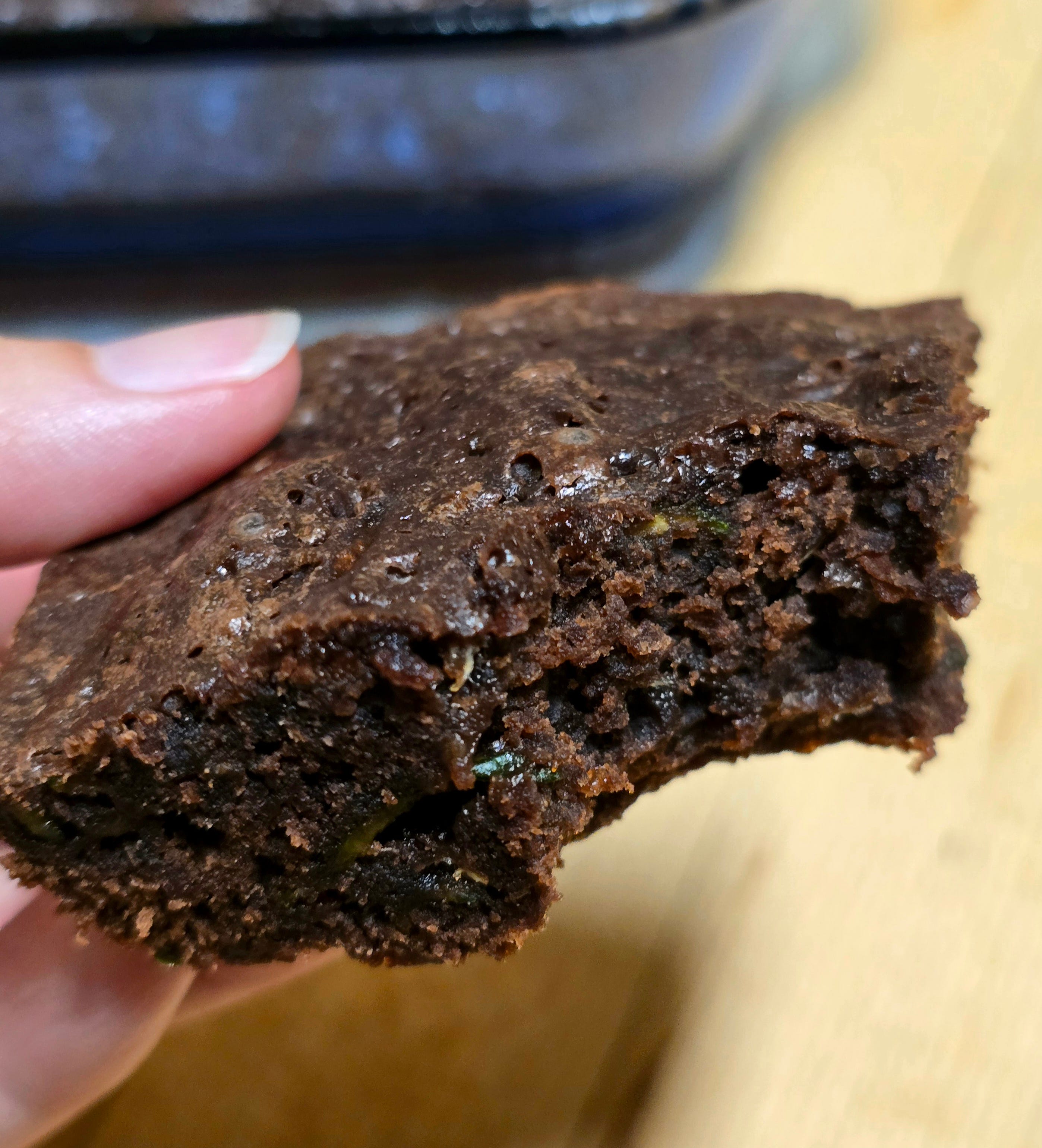
Bear grease brownies have been a win, too. Rich, fudgy, and just different enough to make people ask what the hell is in them, although I’m a fan of introducing them first. You can learn a lot about a person by their reaction to being handed a “bear grease brownie.”
Somewhere along the way, I also discovered that rendering bear fat gave me the softest hands in Edgecombe County. I don’t know if it’s the fat itself or just the hours spent handling it, but my hands are silky-soft like a baby’s.
I have no idea what I’m supposed to do with that information.
Touché!
While the etymology of "lard" comes from hog fat, specifically, I like the term as a colloquialism. I can't say the same for "grease."
In the same sense that we use the term "milk" to apply to a lot of things that aren't technically milk, I use the term "lard" to refer to any rendered omnivore fat because it looks the same and behaves the same in the kitchen and the refrigerator. And I have a strong positive association with "lard." It's a great fat to bake with and cook with. Those of us who haven't gotten over the misguided nutritionism around saturated fat think "lard" is bad.
"Grease" in my world is what you clean off a well-used griddle, skim out of the drain trap on the floor of the restaurant kitchen and back in the day, on the bearings in your wheelbarrow, tractor and dump truck. As a kitchen term, it has such a powerful negative impression in my experience that I can't use it to describe anything food-positive.
Factoid: I regularly hear the dismissive: "too greasy." But no one ever says "too lardy," right?